As residents of Tampa, we know that hurricane season brings unique challenges, especially when it comes to protecting our homes. One area that often gets overlooked but is vital is our electrical panel. A little preparation can go a long way in keeping our homes safe and functional when severe weather hits. We’ll walk through some steps to get your electrical panel ready for whatever the weather throws our way.
Key Takeaways
- We need to think about keeping our electrical panel safe from water, especially if storm surges are a concern. This might mean moving parts of it higher up or making sure the box is sealed well.
- Strong winds can also cause problems. We should make sure the panel is attached firmly to the wall and that any outside electrical parts are protected.
- Knowing how our home’s electrical system works and having a basic kit ready for electrical issues during an emergency are important parts of electrical panel hurricane preparation.
Securing Your Electrical Panel Against Storm Surges
Tampa Bay’s proximity to the coast means storm surges are a real threat during hurricane season. When floodwaters rise, our electrical panels become vulnerable. Protecting these vital components from water intrusion is paramount to preventing electrical fires and ensuring we can restore power safely after a storm. We need to think about how to keep water away from the heart of our home’s electrical system.
Elevating Critical Electrical Components
One of the most direct ways to shield your electrical panel from rising water is to get it off the ground. If your panel is in a basement or a lower-level utility room, it’s at higher risk. We should look into whether our panel can be moved to a higher floor or at least elevated within its current location. This might involve mounting it on a sturdy platform or even relocating it to an attic space if feasible and safe. The goal is simple: keep the panel above the anticipated flood levels.
Waterproofing and Sealing the Panel Enclosure
Even if we can’t move the panel, we can take steps to make its enclosure more resistant to water. This means checking the seals around the panel door and any openings where wires enter. Sometimes, a simple application of waterproof sealant can make a big difference. For panels located in areas prone to occasional dampness, we might consider installing a NEMA-rated enclosure. These are specifically designed to keep out dust and water. It’s about creating a barrier, a sort of shield, against the elements that could otherwise cause serious damage.
We need to be proactive about our home’s electrical safety, especially with the unpredictable nature of Florida weather. Thinking ahead about how water could affect our panel is a smart move for any homeowner.
Reinforcing Your Electrical Panel for High Winds
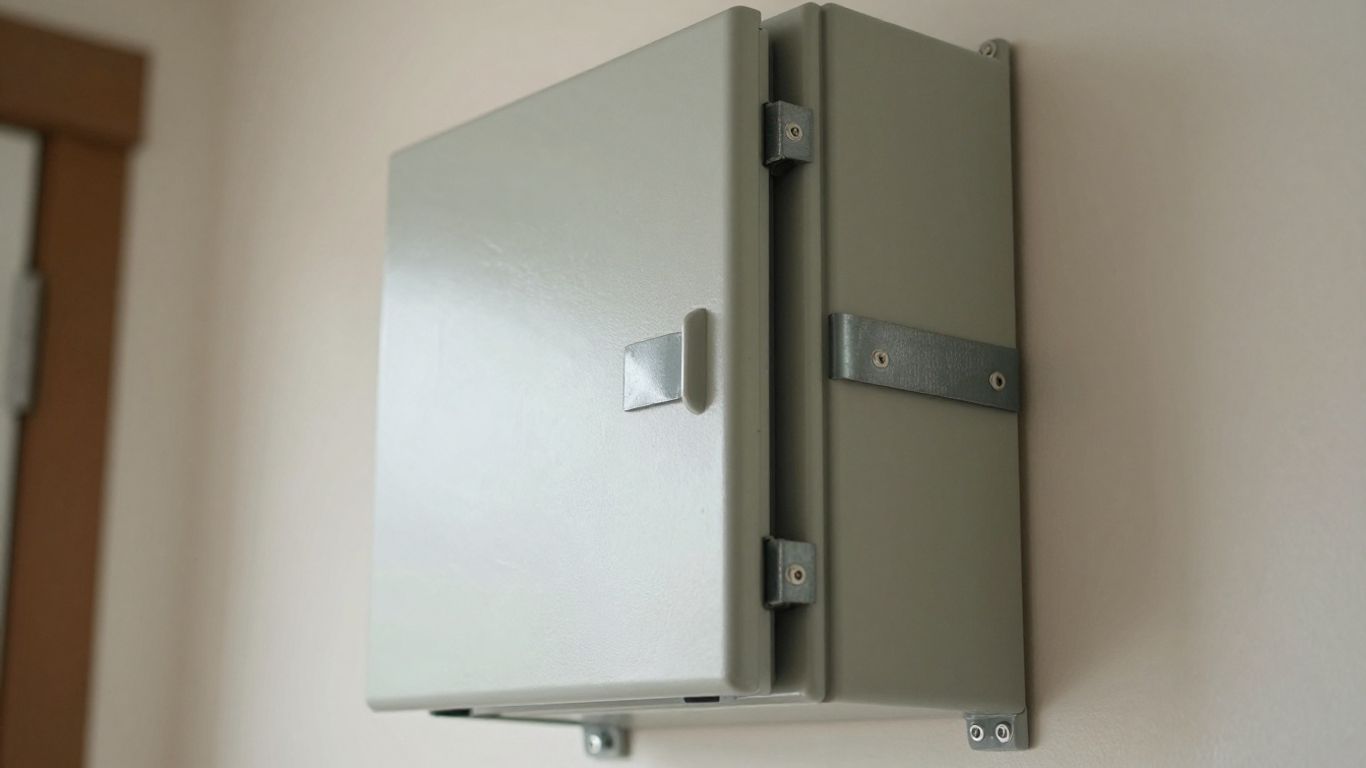
Hurricanes don’t just bring water; they bring serious wind. We’ve seen how powerful those gusts can be, and they can really put a strain on our homes, including the electrical system. The main electrical panel, often located outside or in a garage, is a prime target for wind damage. If it gets knocked loose or damaged, we could lose power, and worse, create dangerous electrical hazards.
Anchoring the Electrical Panel Securely
Making sure your electrical panel is firmly attached is step one when thinking about wind. A loose panel can shake and rattle during a storm, potentially damaging internal wiring or even breaking free from its mounting. We need to check how it’s secured. Most panels are mounted to wall studs or a solid backing. We should inspect the screws or bolts holding it in place. Are they still tight? Are they the right kind of fasteners for the job? Sometimes, especially in older homes, the original fasteners might not be robust enough for hurricane-force winds. We might need to upgrade them to heavier-duty lag bolts or use specialized mounting brackets designed to withstand significant lateral force. It’s not a bad idea to have a qualified electrician take a look to confirm it’s anchored properly. They can tell us if the current mounting is up to par or if we need to add extra support.
Protecting External Electrical Connections
Beyond the main panel, we also have other electrical components outside our homes, like meter bases, outdoor outlets, and any external wiring for things like pool pumps or security lights. These are directly exposed to the wind and flying debris. We need to make sure these are also secure and protected. Loose conduit pipes can get ripped away, and exposed wiring is a major safety risk. We should check that all conduit is properly secured to the house and that any external junction boxes or outlets have weather-resistant covers that are firmly closed. If we have any exposed wiring that looks frayed or damaged, it needs immediate attention from a professional before storm season even starts. Think of it like securing loose patio furniture; anything that can be blown around or ripped off needs to be fastened down tight.
When we talk about wind, we’re not just talking about a strong breeze. We’re talking about forces that can rip shingles off roofs and turn small objects into projectiles. Our electrical systems, especially the parts outside the main structure of the house, are vulnerable. Taking the time to secure these components can prevent significant damage and keep our homes safer when the worst weather hits.
Here are a few things we should look for:
- Check the mounting screws for the main electrical panel. Are they tight and secure?
- Inspect any external conduit for loose fittings or damage.
- Verify that outdoor outlet covers are present and closed tightly.
- Look for any exposed or damaged wiring on the exterior of the home.
- Consider having a professional electrician assess the security of all external electrical components.
Essential Electrical Panel Hurricane Preparation Steps
When a major storm is on the way, our main concerns are often about supplies and safety, but we can’t forget about the electrical panel. Without taking care of it ahead of time, the risk of power loss or even fire can increase. Here’s how we can get our panel ready step by step.
Understanding Your Home’s Electrical System
It’s always better to know exactly what we’re working with before bad weather hits. The first thing we do is locate the electrical panel—sometimes it’s out in the garage, or maybe hidden in a closet inside. Check what each breaker controls, and make a quick chart if there isn’t already a label. This can save frustration if the lights go out and we need to shut down sections for safety.
Here’s a basic way to organize what each breaker controls:
| Breaker Number | Location/Room | Appliance or Fixture |
|---|---|---|
| 1 | Kitchen | Refrigerator, Outlets |
| 2 | Living Room | Lights, TV, Outlets |
| 3 | Bedroom | Outlets, Ceiling Fan |
| 4 | Outside/Garage | Floodlights, Garage Opener |
Keep this chart in the panel or on your phone so it’s always close by.
Creating a Disaster Preparedness Kit for Electrical Needs
Before any storm season, let’s make a small kit just for electrical emergencies. Getting organized ahead of time means fewer problems if the power goes out suddenly. We usually include:
- Battery-operated flashlight and extra batteries
- Insulated gloves for safely resetting breakers if needed
- A portable, fully-charged backup power bank for cell phones
- Surge protectors to plug into important electronics
- Emergency contact information for our electric company and a local electrician
Sometimes it’s the simple steps, like labeling breakers or stashing extra batteries, that keep the stress down when everything else is already a mess. It only takes a few minutes to prep, but it pays off when the storm rolls in.
Being ready ahead of time is the best way to keep our electrical system safer and save ourselves from headaches when a hurricane threatens Tampa.
Even a little prep can make a big difference, both for comfort and peace of mind during storm season.
Final Thoughts on Panel Preparedness
We’ve gone over a few things to get our electrical panels ready for hurricane season here in Tampa. It might seem like a lot, but taking these steps now can make a real difference when the weather gets rough. We want to make sure our homes are as safe as possible, and that includes the electrical systems. So, let’s get this done. It’s better to be prepared than to deal with bigger problems later. We’ll feel a lot better knowing we’ve done what we can.
Frequently Asked Questions
Why do we need to think about our electrical panel before a hurricane hits Tampa?
Hurricanes bring strong winds and heavy rain, and sometimes flooding. If water gets into our electrical panel, it can cause serious damage, lead to fires, or even make the whole system unsafe to use. Preparing it helps protect our homes and keeps us safer during and after the storm.
What’s the most important thing we should do to protect our electrical panel from water?
The best thing we can do is make sure the panel itself is sealed up tight, like putting it in a waterproof box or making sure any openings are covered. If we live in an area that might flood, we should also think about moving the panel or the most important parts of it higher up, away from where water might reach.
Besides water, what else should we worry about with our electrical panel during a hurricane?
Strong winds can shake things around a lot. We need to make sure the electrical panel is attached very firmly to the wall so it doesn’t move or fall. Also, any wires or connections on the outside of our house need to be protected from the wind and rain as much as possible to prevent them from breaking or causing problems.