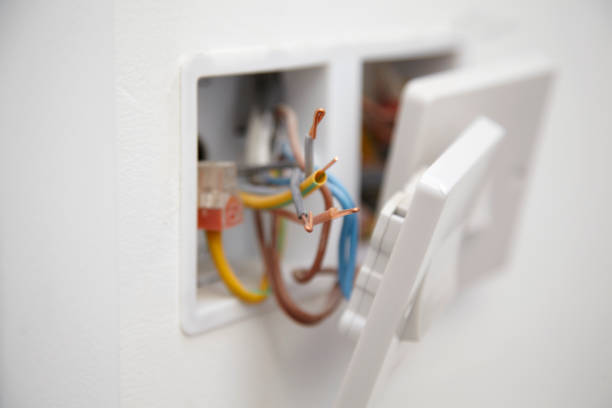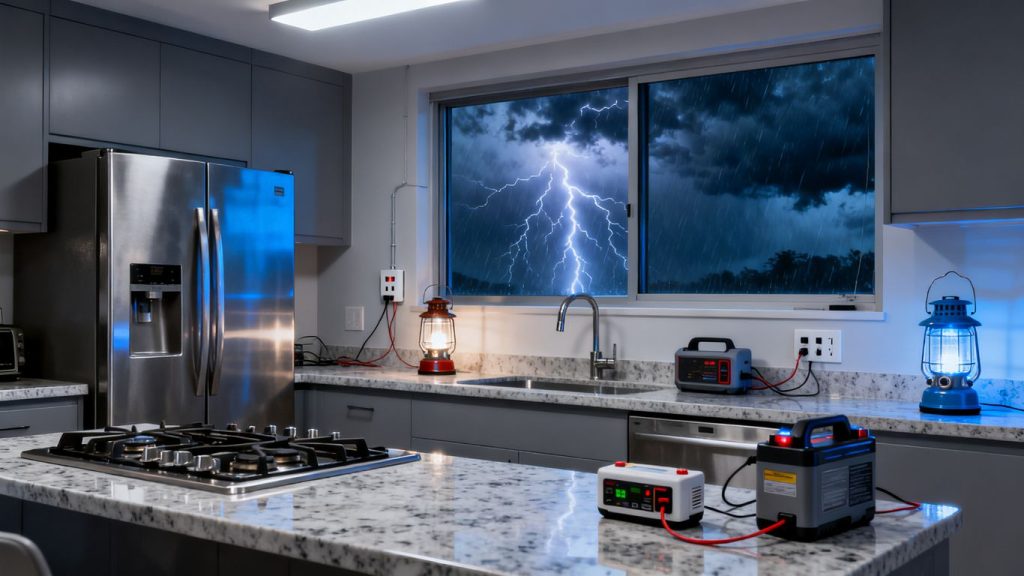
When storms roll in, keeping the lights on in the kitchen can feel like a luxury. We’ve been thinking about how to make our cooking space more reliable, especially when the power grid is down. It’s not just about having a light to see by; it’s about being able to prepare meals. This means looking at our kitchen’s electrical setup with a focus on storm ready electrical systems. We want to make sure our appliances and cooking tools can still function when we need them most, without putting anyone at risk. Let’s explore some practical ways we can get our kitchens ready for whatever the weather brings.
Key Takeaways
- Setting up backup power for kitchen appliances is a smart move for storm preparedness.
- Giving important cooking tools their own circuits helps prevent overloads.
- Protecting electronics from power surges and using GFCI outlets adds safety to our storm ready electrical systems.
Enhancing Your Kitchen With Storm Ready Electrical Systems
When storms roll in, keeping our kitchens running can be a real challenge. We’ve been thinking about how to make our electrical setups more reliable when the power grid goes down. It’s not just about having lights; it’s about being able to cook safely and effectively. We want to make sure our kitchens can handle cooking needs even when the main power is out.
Backup Power Solutions For Kitchen Appliances
Having a plan for backup power is a big part of storm readiness. We’re looking at a few options to keep key appliances running. Generators are a common choice, but they can be noisy and require fuel. For smaller needs, battery backup systems, like those used for home offices, can power things like a microwave or a coffee maker for a short time. We also need to consider how we’ll connect these systems safely to our kitchen circuits. It’s important to size your backup power correctly for the appliances you plan to run.
Here are some common backup power considerations:
- Generator Sizing: Match the generator’s wattage to the total power draw of the appliances you want to run simultaneously. Don’t forget to account for the startup surge of motors.
- Battery Backup: Good for short outages and powering low-draw items. Consider inverter capacity for appliances needing more power.
- Transfer Switch: A safety device that prevents backfeeding power to the grid, which is dangerous for utility workers.
Dedicated Circuits For Essential Cooking Tools
Beyond backup power, we’re also thinking about how our regular electrical circuits are set up. For appliances we rely on heavily during cooking, like a microwave, electric kettle, or even a stand mixer, having them on their own dedicated circuits makes a lot of sense. This means they have their own breaker in the electrical panel. If one appliance draws too much power or has an issue, it won’t trip the breaker for other kitchen outlets or lights. This is especially helpful when you’re trying to cook a meal during an outage and need multiple things running from your backup source.
We’re looking at dedicating circuits for:
- Microwave oven
- Electric kettle or coffee maker
- Toaster oven
- Stand mixer
Planning these dedicated circuits now means less hassle later. It simplifies connecting backup power and reduces the chance of overloading circuits when you need them most. We’re aiming for a kitchen that’s not just functional, but truly prepared.
Prioritizing Safety In Storm Ready Kitchen Electrical Design
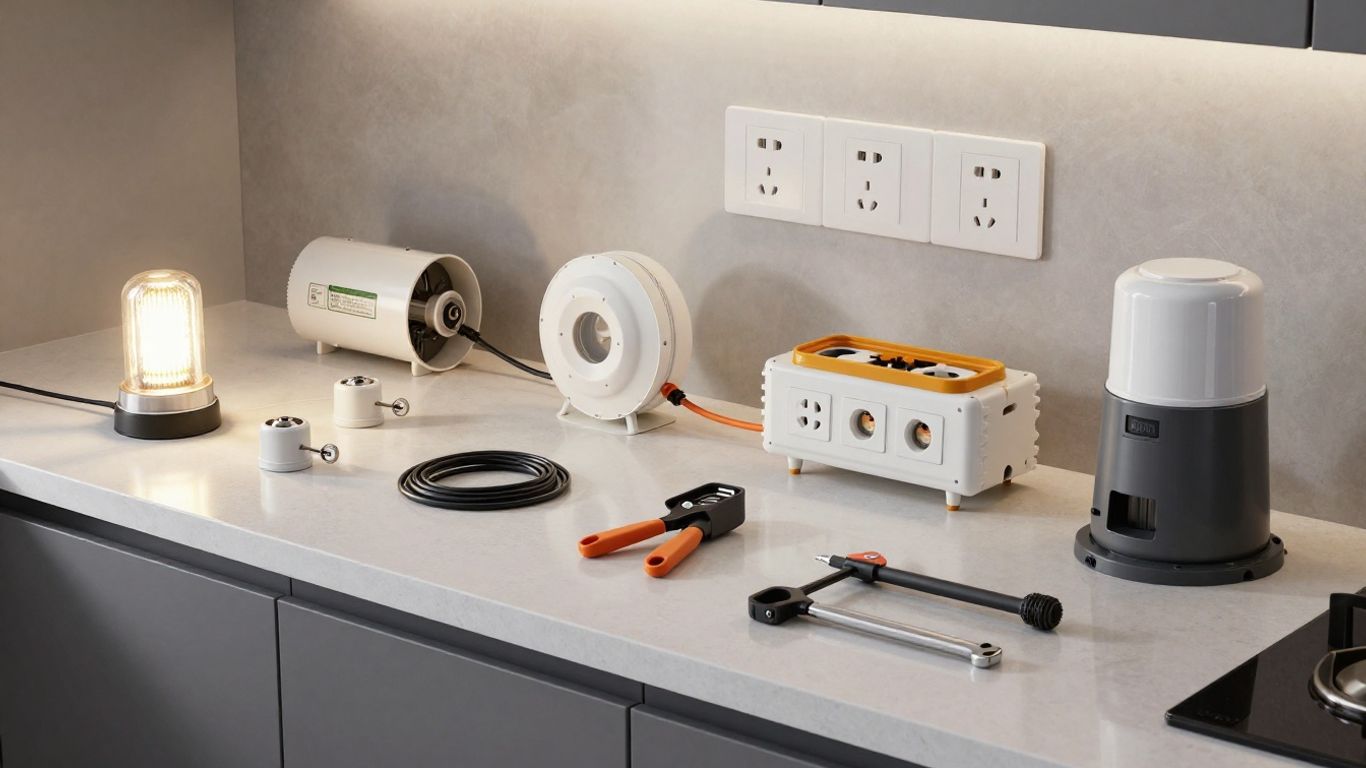
When we think about making our kitchens ready for storms, power backup often comes to mind first. But we also need to seriously consider safety. A storm can bring all sorts of electrical issues, from power surges to water getting into places it shouldn’t. Making sure our kitchen’s electrical setup is safe during these times is just as important as keeping the lights on.
Surge Protection For Sensitive Electronics
Modern kitchens have a lot of electronics – smart fridges, microwaves with digital displays, maybe even a fancy coffee maker. These gadgets can be pretty sensitive to sudden spikes in voltage. When the power flickers or comes back on after an outage, a surge can happen. This can fry your expensive appliances before you even get a chance to use them. We need to think about installing whole-house surge protectors. These devices act like a gatekeeper for electricity, stopping those damaging surges from reaching our appliances. It’s a smart investment to protect our kitchen tech.
GFCI Outlets For Wet Area Safety
Water and electricity are a bad mix, and kitchens are naturally wet places. We’ve got sinks, dishwashers, and sometimes even spills. That’s where Ground Fault Circuit Interrupter (GFCI) outlets come in. They are designed to quickly shut off power if they detect an imbalance in the electrical current, which usually means electricity is finding an unintended path – like through water or a person. For storm readiness, it’s a good idea to check if all outlets near water sources, like the sink or dishwasher, are GFCI protected. If they aren’t, we should plan to have them installed. It’s a simple step that adds a big layer of safety.
- Check existing outlets: Look for the ‘Test’ and ‘Reset’ buttons. If they’re not there, they’re likely not GFCI.
- Location matters: Ensure GFCI protection is in place for outlets within six feet of a sink.
- Professional installation: If you’re unsure, always call a qualified electrician to install or replace outlets.
We want our kitchens to be functional and safe, especially when the weather turns bad. Thinking about surge protection and GFCI outlets is a practical way to achieve that. It’s about being prepared for the unexpected and keeping our homes and families protected.
Wrapping Up
So, we’ve looked at how to get our kitchens ready for when the power goes out. It’s not just about having candles; it’s about making sure our cooking setup can still work. Thinking about backup power for your appliances, like a generator hookup or a good battery system, can make a big difference. We also talked about simple things, like making sure your gas stove is safe and maybe having some non-electric cooking tools handy. Doing these things now means less worry later if a storm hits. It’s about being prepared so we can keep our families fed, no matter what the weather does.
Frequently Asked Questions
Why should we think about our kitchen’s electrical setup for storms?
When storms hit, power outages can happen. Having a kitchen ready means we can still cook meals safely and efficiently, even without regular electricity. It’s about being prepared so we’re not left in the dark when we need to prepare food.
What are some ways to keep our cooking appliances running during a blackout?
We can set up backup power systems. This might involve using generators that can power key appliances like refrigerators or microwaves. Another option is to have special battery backup systems for smaller devices. We also suggest having dedicated power lines, or circuits, for important cooking tools so they get all the power they need without overloading anything else.
How do we make sure our kitchen’s electrical system is safe when we’re preparing for bad weather?
Safety is super important. We should install surge protectors to guard our sensitive gadgets, like coffee makers or smart ovens, from sudden power spikes. Also, using GFCI outlets, especially near sinks or any place where water might be, is a must. These outlets quickly cut off power if they sense a problem, preventing electric shocks, which is crucial in a kitchen environment.